What is AI time study software?
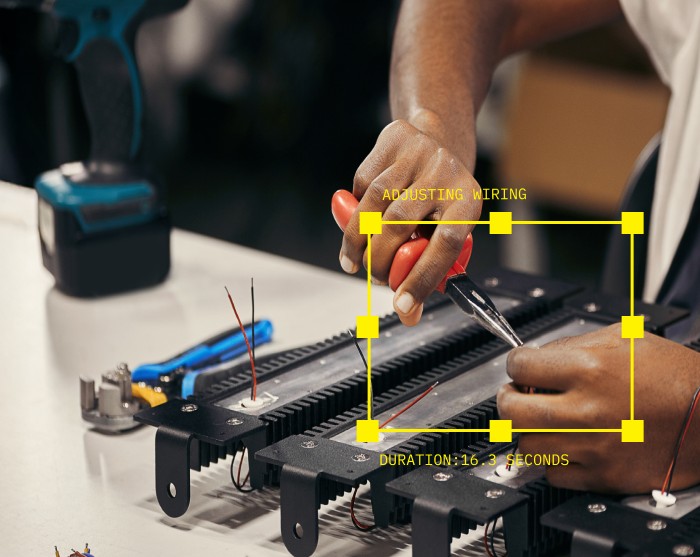
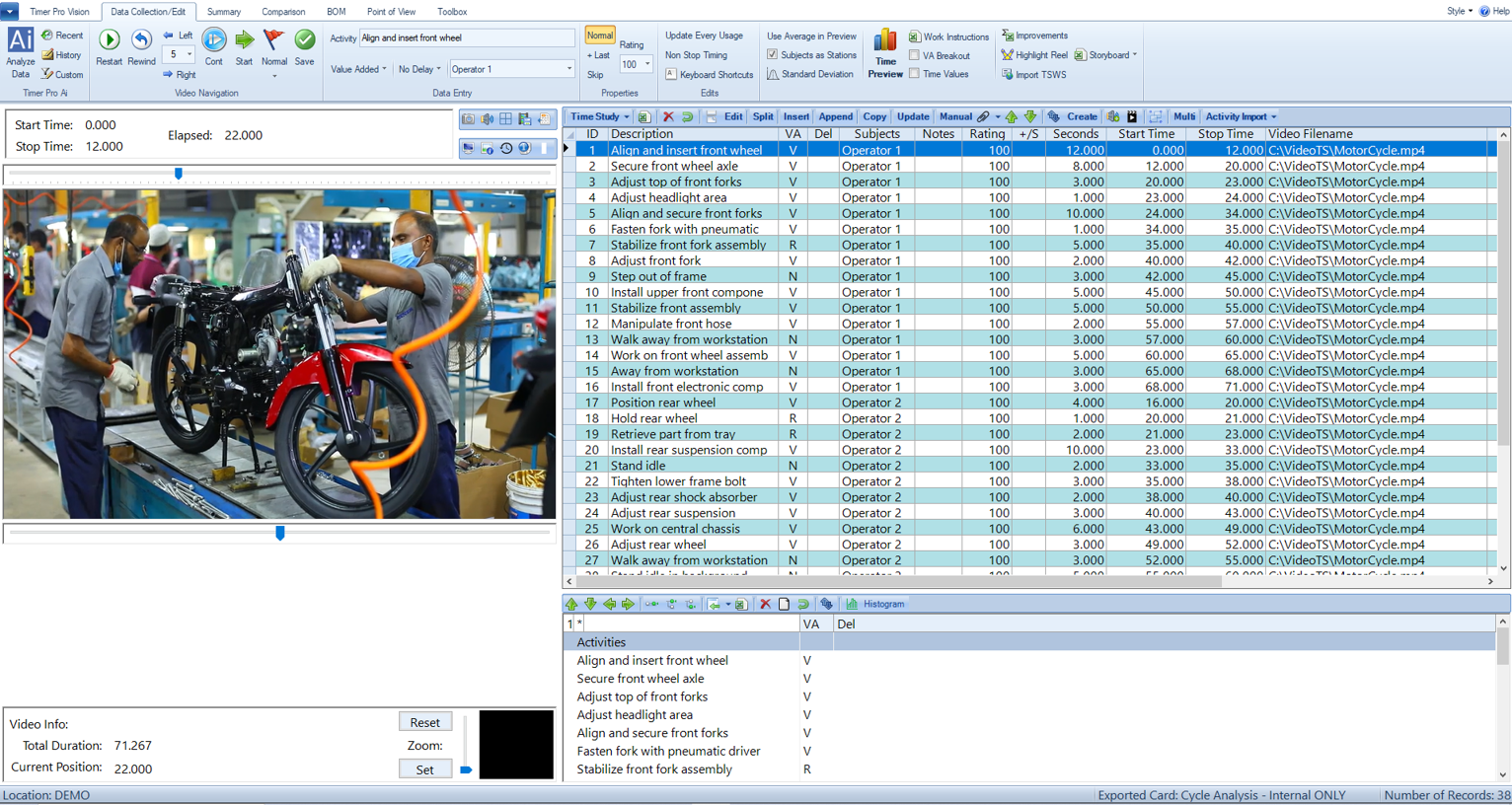
AI time study software uses computer vision and AI-assisted analysis to identify and time activities visible in process footage. Timer Pro Vision AI converts that footage into structured activity data that engineers can review, refine, and use for time study, line balancing, standard work, and continuous improvement.
How does Timer Pro Vision AI analyze manufacturing process video?
Vision AI analyzes the uploaded process footage, identifies visible activities and timings, and produces descriptions, categories, groupings, and value-added classifications. Engineers then review and refine the analysis before using the validated output in Timer Pro or with follow-on analysis with our AI engine. This discovery-led approach does not require every activity to be defined before analysis begins, but an MES mode will map viewed activities to a pre-defined list.
Does Vision AI require specialist cameras or recording equipment?
No. Vision AI is designed to analyze process footage captured with standard cameras, so manufacturers do not need a permanent camera installation or specialist monitoring hardware. The footage still needs to show the work clearly enough for the required activities, operators, and movements to be assessed.
Can Vision AI analyze long-cycle and multi-operator processes?
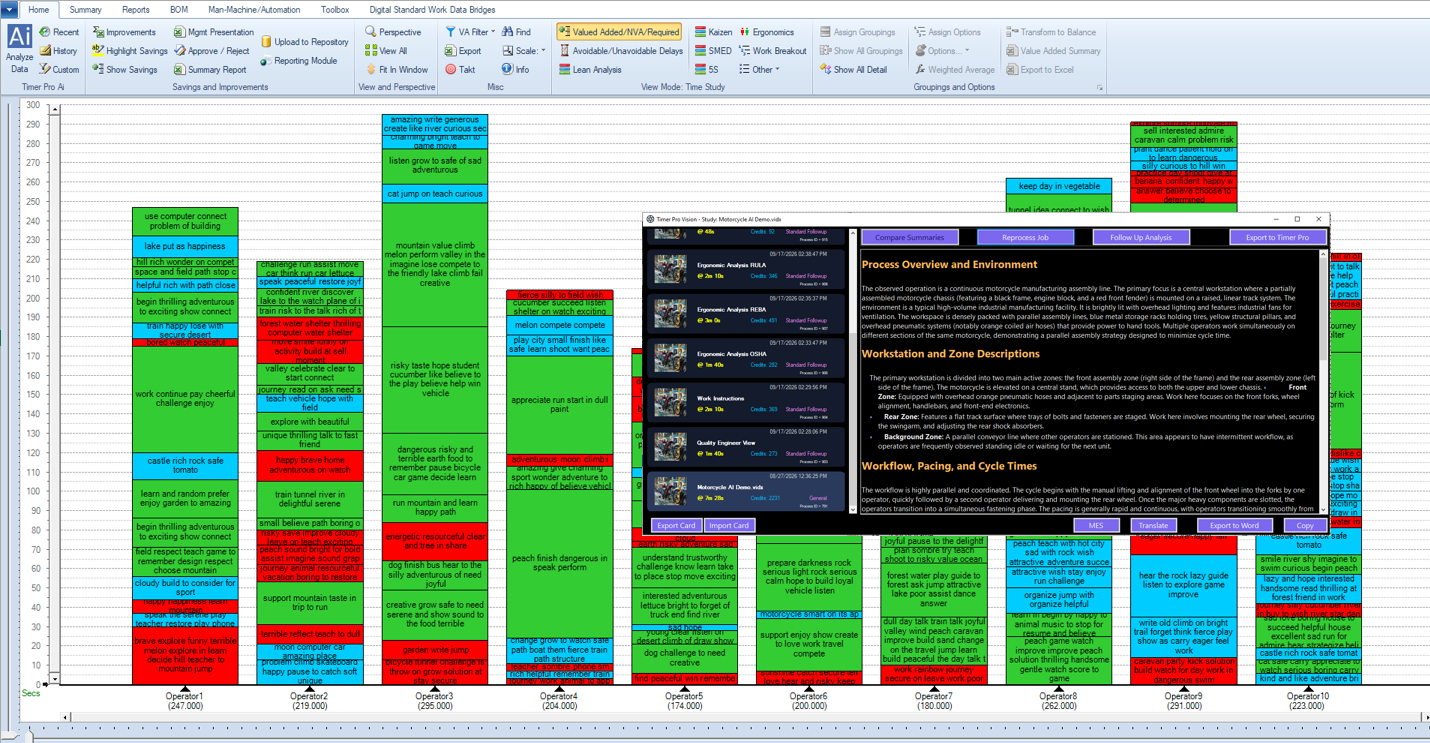
Yes. Timer Pro is designed for short- and long-cycle work involving one or multiple operators. The appropriate recording approach will depend on the process, its duration, and the detail the engineer needs to assess. The free evaluation can be used to test representative footage from the operation.
Do I have to use Vision AI?
No. The full Timer Pro platform, developed over 40 years, is fully functional without Vision AI. Use Vision AI to expedite your analysis and reduce the manual effort required by your manufacturing engineers.
Do engineers remain in control of the analysis?
Yes. Vision AI accelerates the analysis, but engineers review, refine, and validate the output before acting on it. They can adjust activities, run follow-on queries, and decide which improvements to implement. AI suggestions support engineering judgment; they do not replace it.
What does "discovery-led" process analysis mean?
Discovery-led analysis means Vision AI analyzes what is visible in the footage before forcing every activity into a predefined list. Engineers can then refine the discovered activities to the appropriate requirement, and map validated results to an MES activity list where required. This can surface process detail that may be missed when analysis begins with fixed labels.
Is client video or process data used to train AI models?
No. Your video and process data are not used to train or improve AI models. All AI features are opt-in, data sent for analysis is not retained or logged by the AI partner after processing, and an optional face-blurring tool within Timer Pro lets you blur operators' faces before any analysis. Organizations should review the dedicated AI Security information with their IT and governance teams.
What can manufacturers do with the Vision AI output?
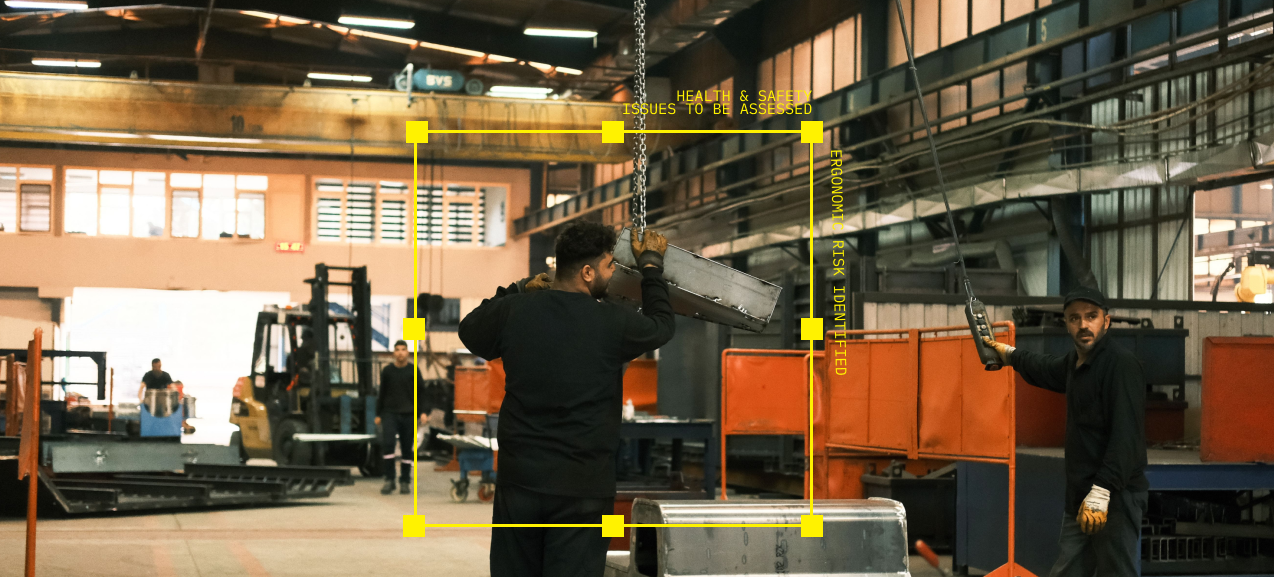
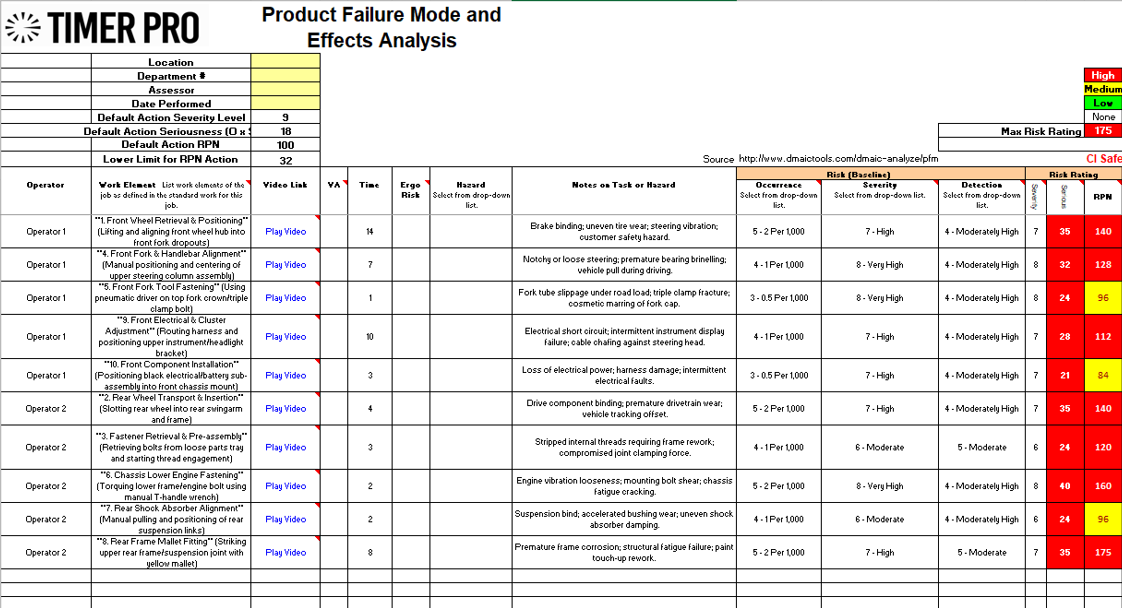
The validated output can feed Timer Pro's time study, line balancing, standard work, ergonomics, safety, PFMEA, and continuous improvement workflows. This allows one set of process footage to support several engineering activities while keeping the resulting data and documents linked to the original evidence.
How is Vision AI different from an always-on monitoring system?
Timer Pro Vision AI supports project-based process analysis using footage selected for a specific study. It does not require permanent cameras or continuous monitoring of the production environment. This makes it suitable for engineers who need detailed evidence for targeted improvement work without deploying an always-on observation system.